
The Problem We Solve: From Static BIM to Live VR Interactions
Immersive VR Walkthrough, BIM to VR Visualization, Real-time Design Experience
ACEVR
3/16/20262 min read
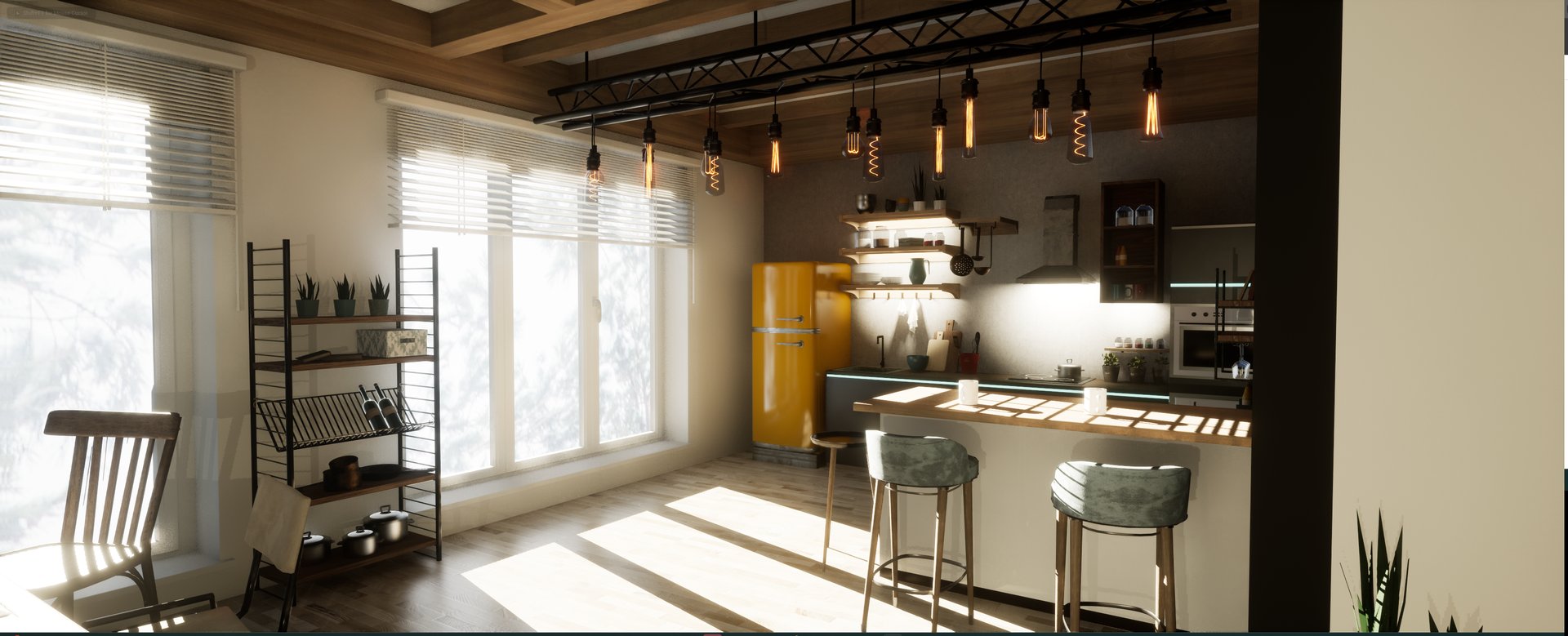
BIM tools such as Recit are central to modern architectural and construction workflows. They contain an enormous amount of technical detail, yet are still primarily consumed through screens, and static 3D views. This creates a disconnection between how designs are created and how they are actually understood by project teams and stakeholders.
In a typical workflow, design reviews are on 3D plans, elevations and controlled 3D views navigated by a single operator. Stakeholders often have to imagine scale, spatial relationships, and circulation paths based on experience rather than direct perception. This can lead to misunderstandings, late-stage design changes, and inefficiencies that carry forward into construction.
Another challenge is speed and iteration. Exporting models for visualization or walkthroughs often requires additional tools, manual cleanup, or simplified exports that strip away important details. These extra steps slow down review cycles and make it harder for teams to quickly validate design decisions.
Collaboration is also limited. During reviews, only one person typically controls the model, while others observe passively.
ACEVR was developed in direct response to these limitations.
By enabling Revit models to be experienced as live, walkable VR environments, ACEVR allows users to perceive scale, proportion, and spatial flow immediately. Instead of interpreting drawings, users can step into the design and explore it from a human perspective. This approach shortens the gap between design and understanding.
From a workflow standpoint, ACEVR is built to integrate with existing BIM processes rather than replace them. The focus is on reducing friction between model creation and design review by providing a direct path from Revit to VR. This allows teams to move faster from iteration to evaluation, without relying on external visualization pipelines that are disconnected from the core model.
ACEVR also supports more effective collaboration. Design discussions become grounded in a shared spatial experience, making it easier to identify issues, align expectations, and document feedback. This creates a clearer connection between what is discussed during reviews and what is later implemented in the model.
The development of ACEVR continues to focus on refining performance, visual accuracy, and usability so that immersive review becomes a practical, repeatable part of everyday AEC workflow
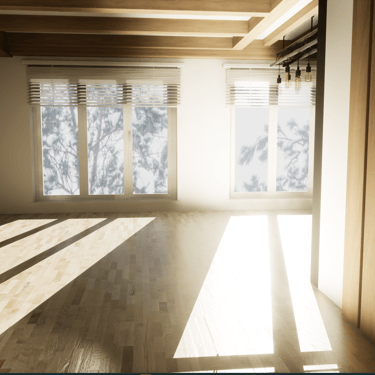
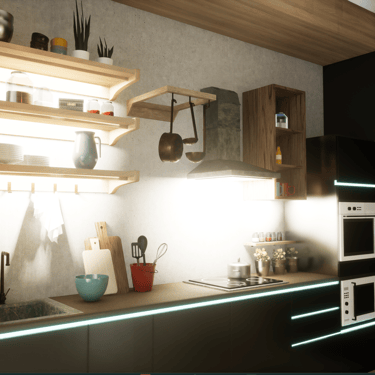
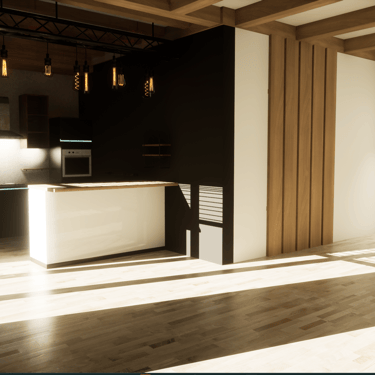
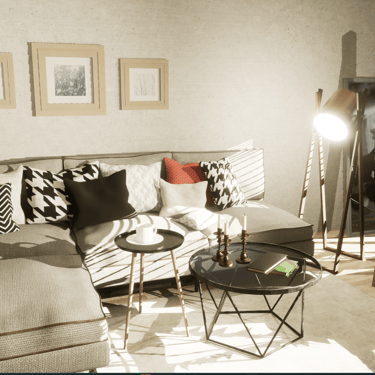
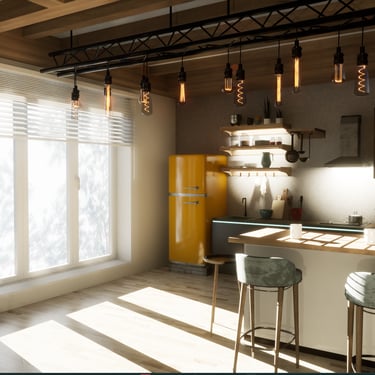
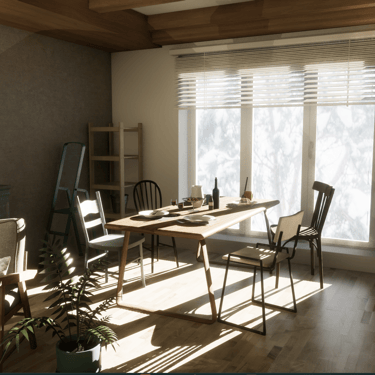
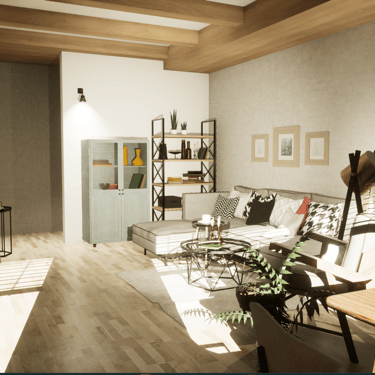
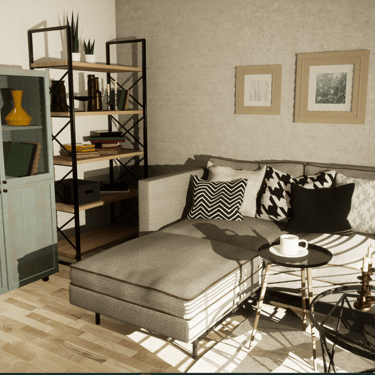

At ACEVR, we believe that understanding a space should not rely on imagination alone.
In this walkthrough, you are not just looking at a model. You are experiencing a project at full scale, moving through it as if it already exists.
ACEVR transforms BIM models into immersive virtual environments, allowing teams to step inside their designs and explore every detail before construction begins. From spatial layout and lighting to materials and flow, every element becomes easier to understand, evaluate, and refine.
This shift changes how teams collaborate. Architects, engineers, clients, and stakeholders can all experience the same space, in the same way. No misinterpretation. No guesswork. Just clarity.
By bringing projects into VR, ACEVR helps identify design issues earlier, reduce costly changes, and support faster, more confident decision-making.
This video is a simple example of what that looks like.
Contact us
Whether you have a request, a query, or want to work with us, use the form below to get in touch with our team.
Vancouver,BC, Canada
Info@ACEVR.tech