
Use Cases: Architecture, Engineering, and Construction in VR
Explore how ACEVR brings real demand to AEC workflows by enabling immersive design reviews, early issue detection, and faster stakeholder alignment through VR.
ACEVR
5/4/20262 min read
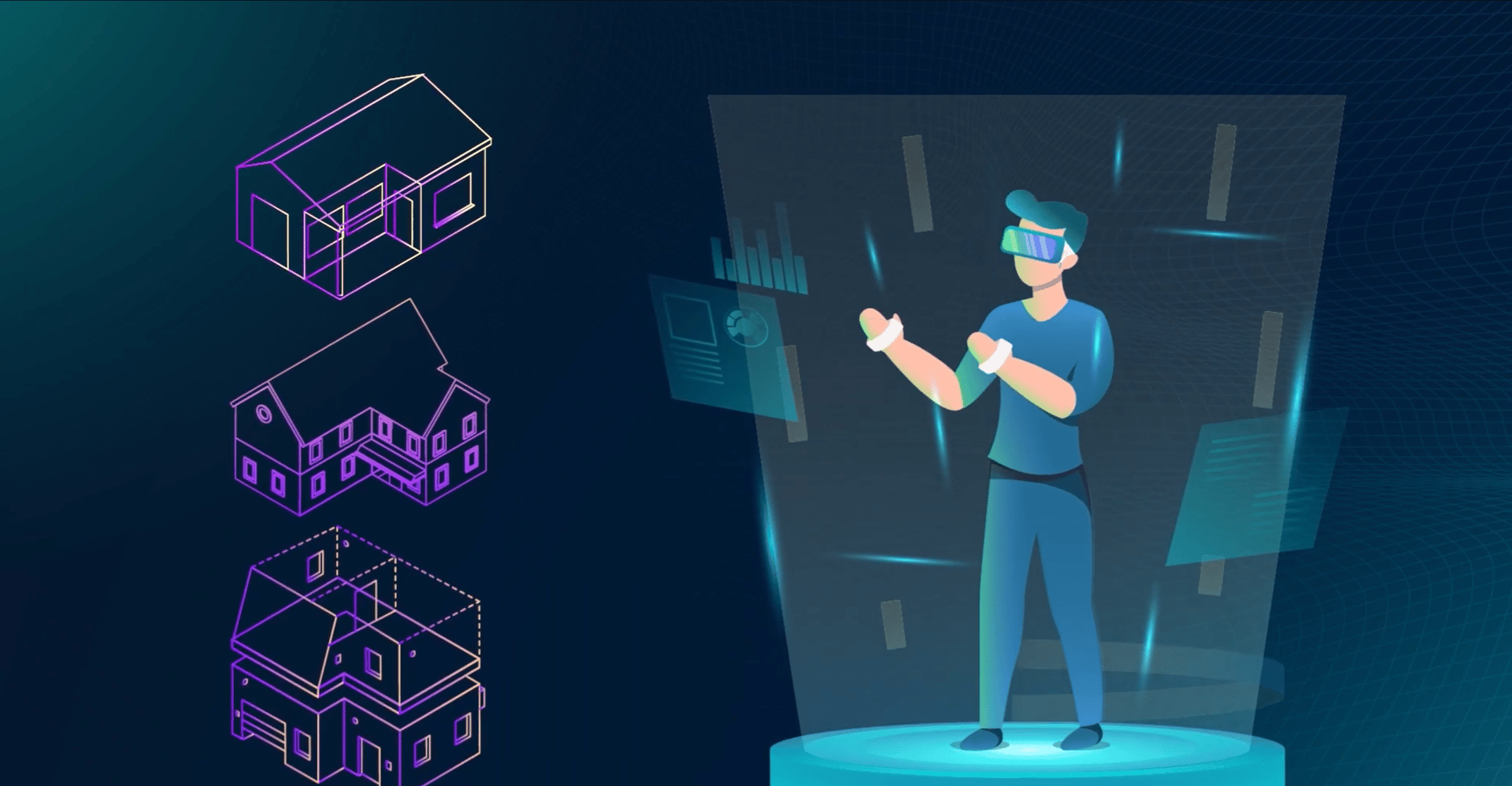
The architecture, engineering and construction (AEC) industry operates under constant pressure with complex coordination, tight schedules, and high costs associated with design changes. Despite advances in BIM, many project challenges still stem from how designs are reviewed and understood before construction begins.
Across the industry, communication breakdowns, misinterpretation, and late-stage changes remain common sources of delay and rework. These challenges point into a clear need for tools that improved shared understanding earlier in the project lifecycle.
In practice, ACEVR adds values in several common AEC workflows:
When teams run design reviews in VR, stakeholders can experience circulation, sightlines, and proportions directly. This helps align expectations faster especially for clients or reviewers who don’t live inside BIM tools every day. Feedback becomes more specific (“this corridor feels tight,” “this lobby reads smaller than expected”) because it’s based on spatial experience, not imagination.
For engineering coordination and constructability checks, VR helps teams validate real-world constraints that can be hard to “feel” on a monitor such as clearances, access paths, overhead congestion, and how multiple systems coexist in tight spaces. Instead of waiting for issues to surface later, teams can spot conflicts earlier while the cost of change is still low.
On the construction side, VR supports planning conversations that are difficult to run from drawings alone: where bottlenecks may occur, what areas need special attention, and how the site will be understood by people who weren’t in every design meeting. Even when coordination is already strong, VR can reduce ambiguity by giving everyone the same spatial reference point.
VR also has a growing role in training and education. Construction safety concepts and site awareness can be taught using realistic project environments without putting trainees in risky situations. In academic settings, students can review designs at full scale and connect plans to real spatial experience. This experience can help students bridge the gap between theory and “how it actually feels” to be inside a space.
These use cases all map to the same underlying demand: faster alignment, fewer misunderstandings, and earlier issue detection. ACEVR is being built to make VR a practical extension of existing Revit workflows.
Contact us
Whether you have a request, a query, or want to work with us, use the form below to get in touch with our team.


Vancouver,BC, Canada
Info@ACEVR.tech